
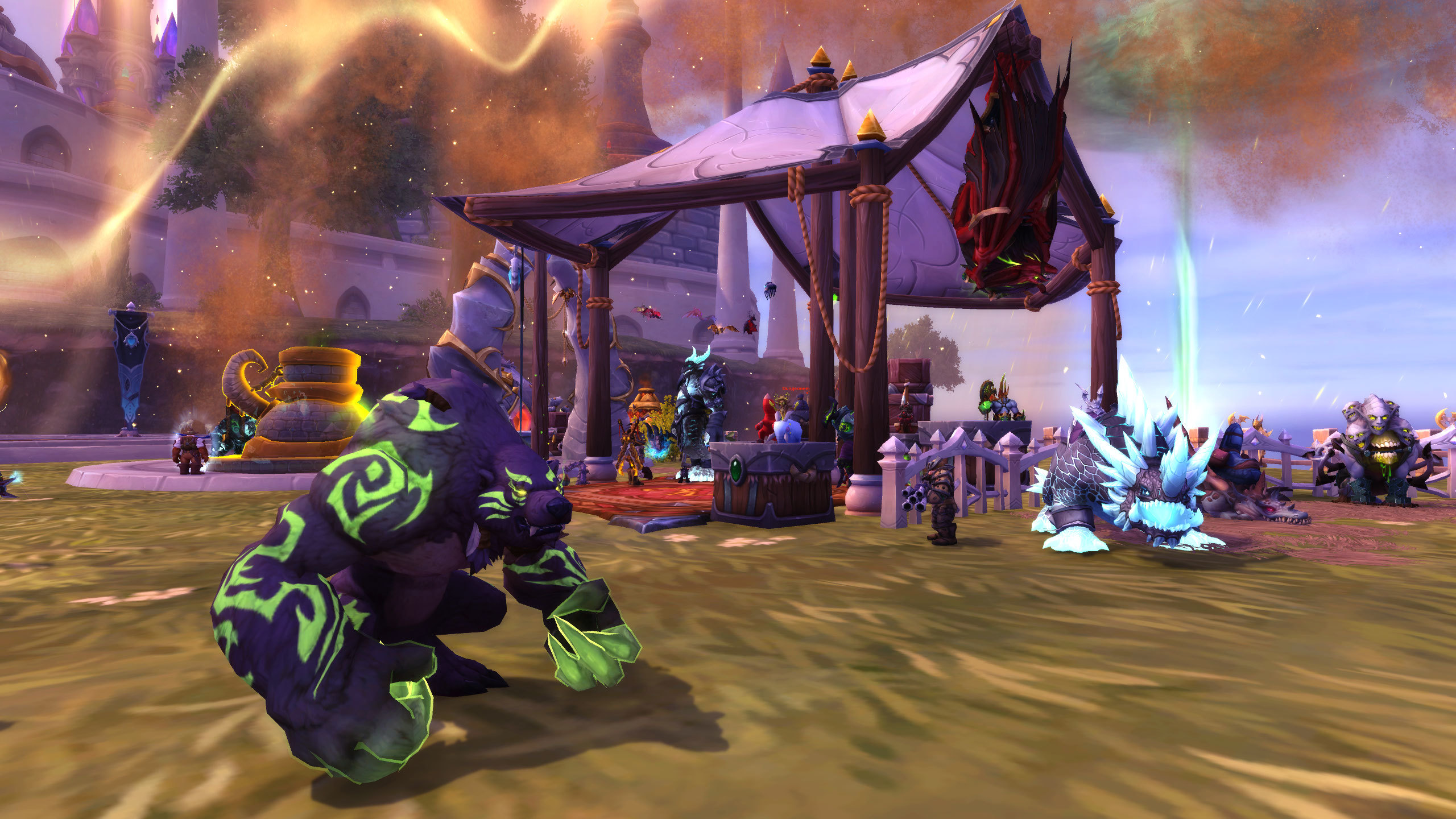
Spell effects have always been central to the game’s moment-to-moment experience. Every cast, strike, or channel shapes the feel of combat, influencing how players perceive power and how clearly they understand what is unfolding in battle. Over the years, the game has refined its visual language, updating spell effects to balance readability, spectacle, and class identity. The result is a spell system that feels both exhilarating and functional—an ideal fusion of artistry and design.
This article explores why the game’s spell effects stand as a model of visual clarity and power fantasy, shaping combat in ways players often feel instinctively.
Spell Effects That Tell Stories
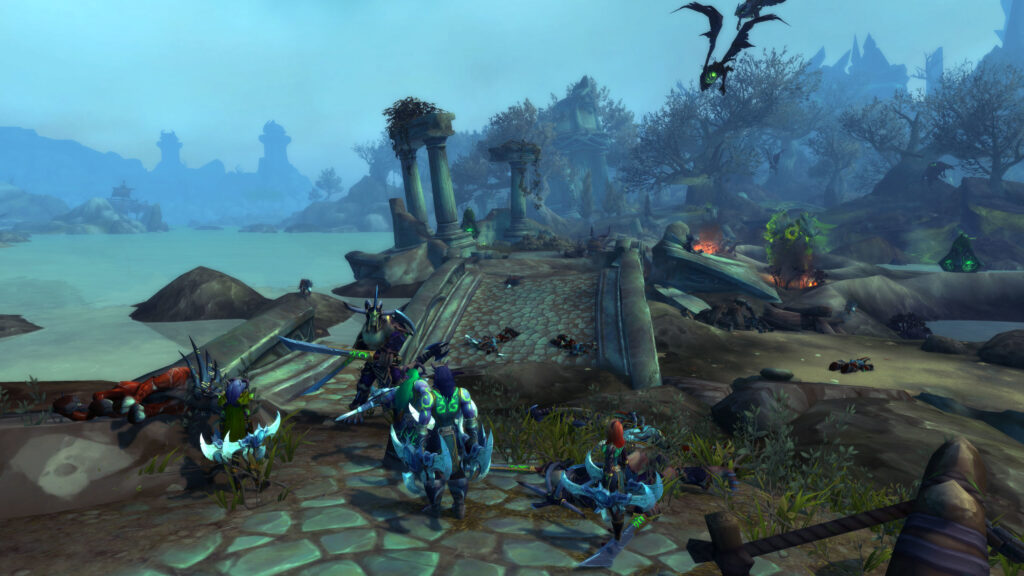
Every spell carries narrative meaning. A holy bolt radiates warmth and purity, a shadowy blast drips with fear and corruption, and a fiery explosion pulses with elemental fury. These visual cues are intentional, reinforcing not only class fantasy but the emotional tone of combat. Even before understanding the mechanics, players can sense the identity behind each spell. This fusion of storytelling and visual design creates a seamless blend of theme and function.
Spell effects become extensions of the character, not just tools of damage.
Clarity That Enhances Gameplay
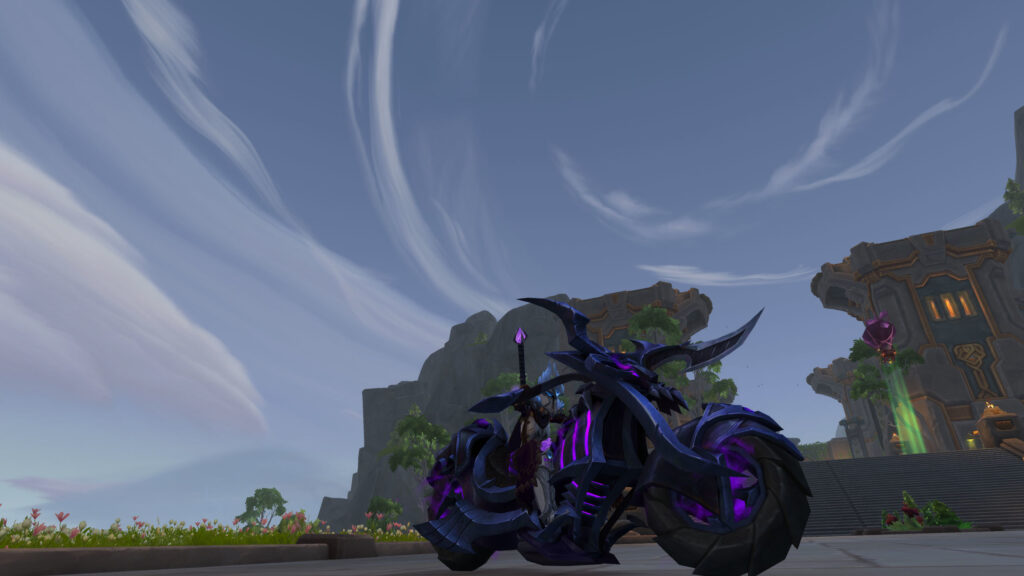
In chaotic encounters, clarity becomes essential. Spell effects must communicate priority, danger, and interaction without overwhelming the screen. Designers carefully adjust brightness, shape, and animation timing to ensure that abilities remain readable even in large groups. Distinct silhouettes, color coding, and impactful motion help players identify threats instantly. Visual clarity is not just aesthetic—it is a foundation of mechanical understanding.
To illustrate the philosophy behind clarity, here is a simple breakdown:
| Design Focus | Purpose | Impact on Gameplay |
|---|---|---|
| Silhouette shape | Differentiation of spell type | Quick recognition in combat |
| Color identity | Class or magic school flavor | Instant thematic understanding |
| Lighting intensity | Controlled visual noise | Better readability |
| Particle timing | Feedback on cast completion | Improved reaction precision |
The Evolution of Modern Spell Design
As engine capabilities expanded, spell effects evolved to reflect modern standards. Earlier visuals were functional but limited, relying on simple textures and flat animations. Over time, designers introduced particle density changes, dynamic lighting, and layered effects that brought spells to life. These enhancements maintained readability while elevating immersion. Players could feel the weight of a crushing blow or the elegance of a healing wave through subtle refinements in animation.
The refinement of spell design mirrored the refinement of combat itself.
Class Identity Defined Through Magic
Spell effects are some of the clearest expressions of class fantasy. Mages wield frost, fire, and arcane power through visuals that differentiate skillsets at a glance. Druids blend nature and celestial energies through fluid, organic animations. Priests balance light and shadow through luminous or abyssal effects that speak to their dual themes. These visuals reinforce class uniqueness, helping players feel connected to the roles they choose.
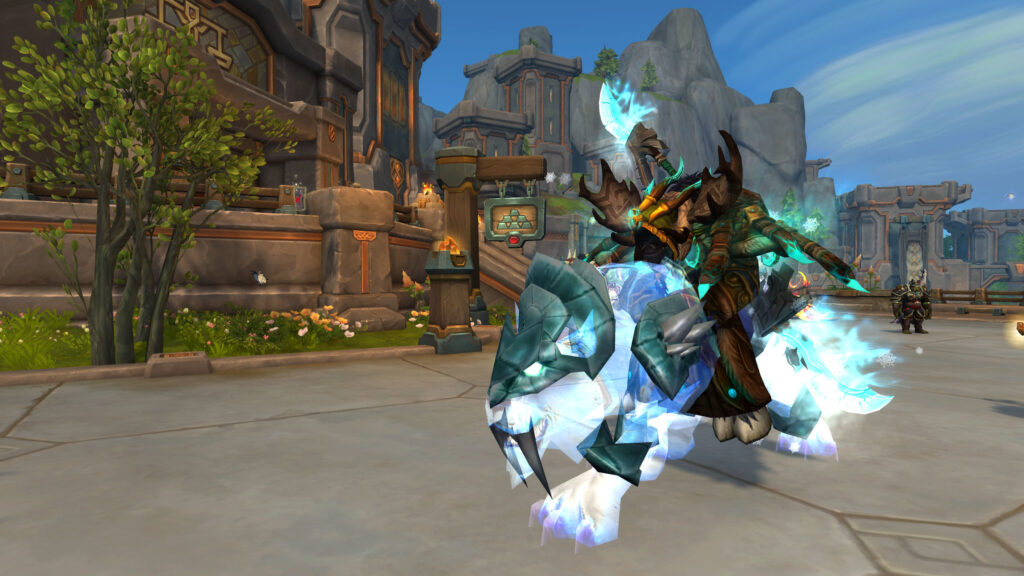
Identity emerges not only in gameplay, but in the sensation of casting itself.
Power Fantasy Through Visual Impact
Spell effects enhance the emotional impact of combat. A powerful crit feels satisfying not just because of numbers, but because the animation conveys force. The screen pulses, particles burst, and sound complements the motion. This sensory combination creates a feeling of strength and mastery, rewarding players for their decisions. Blizzard’s design philosophy turns spells into expressions of dominance, precision, or grace, depending on the class and ability.
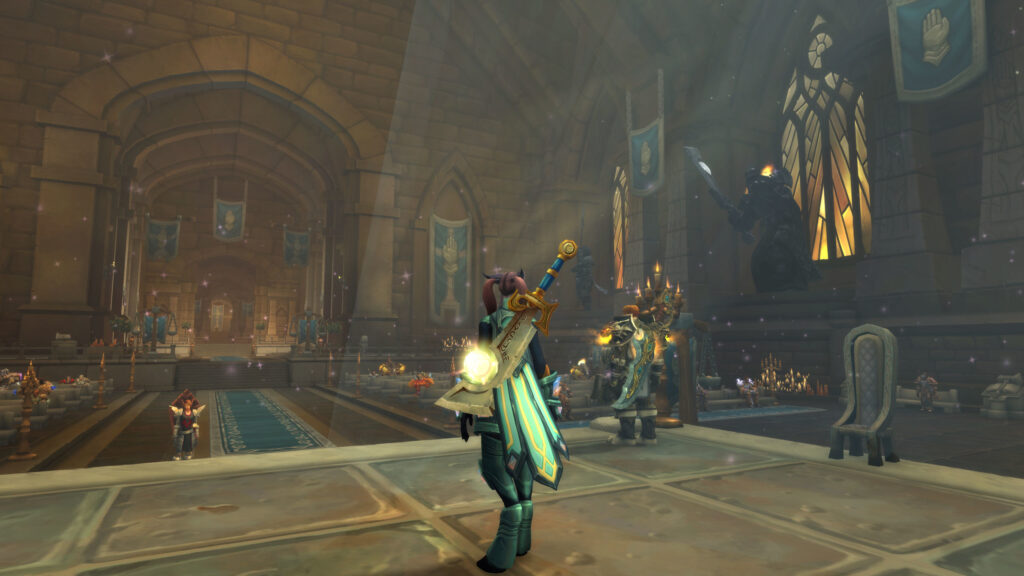
Visual impact transforms mechanical actions into emotional experiences.
Conclusion
The game’s spell effects succeed because they balance clarity, identity, and fantasy. They guide players through the chaos of battle while reinforcing the emotional tone of combat. Through careful visual design, each spell becomes a story, a signal, and a moment of power. The result is a spell system that not only looks impressive but elevates gameplay itself—turning every cast into an experience that feels meaningful and memorable.
