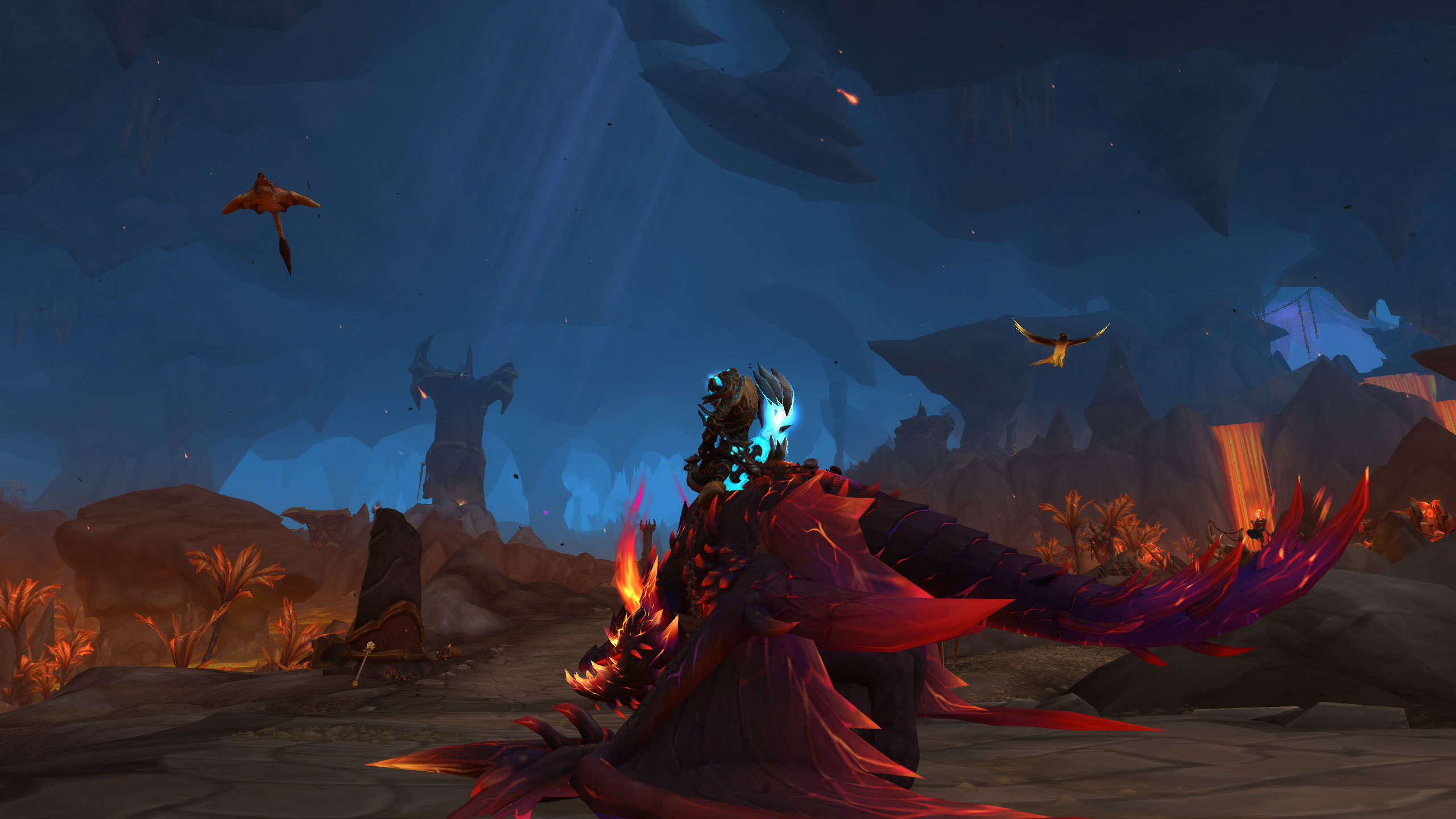
The Dragon Isles, while primarily centered on the Dragonflights, introduced revitalized and narratively expanded indigenous cultures: the Tuskarr, the Gnolls, and the Centaur. These groups, previously marginalized or simplified in lore, now possess complex historical narratives and distinct geopolitical structures. This analysis explores the hidden lore of these groups, examining their relationship to the Dragonflights, their internal social hierarchies, and the necessity of their inclusion for providing cultural depth to the new continent.
This report delineates the new historical and cultural context for the indigenous peoples of the Dragon Isles.
Evaluation Criteria: Historical Integration Cohesion, Cultural Depth Metric, and Narrative Interdependence Index
Indigenous cultures are evaluated based on three weighted criteria. First, Historical Integration Cohesion measures the extent to which their history is seamlessly woven into the ancient lore of the Dragon Isles.
Cultural Depth Metric assesses the complexity of their social structures, rituals, and unique philosophies, prioritizing nuanced world building. Third, Narrative Interdependence Index quantifies their necessity to the main expansion storyline, ensuring they are not merely aesthetic filler. Low cohesion and low interdependence degrade cultural value.
The Tuskarr: High Historical Integration and Cultural Depth
The Tuskarr of the Dragon Isles demonstrate the highest Historical Integration Cohesion. Their ancient presence and respectful, symbiotic relationship with the coastline and the Blue Dragonflight is meticulously documented. The Cultural Depth Metric is high, emphasizing communal living, oral tradition, and a complex system of spiritual connection to the sea. The Tuskarr serve as vital, reliable allies to the Dragonflights, ensuring a high Narrative Interdependence Index as they offer unparalleled knowledge of the localized environment and its long term weather patterns.
The Centaur: Re-Contextualizing Narrative Interdependence
The Centaur of the Ohn’ahran Plains receive significant narrative development, redefining their Cultural Depth Metric beyond simple nomadic hostility. Their new lore establishes distinct clans, complex social contracts, and an ancient, intertwined history with the Green Dragonflight’s Aspect.
This high Historical Integration Cohesion is used to drive a major narrative quest chain, confirming their strong Narrative Interdependence Index, as their internal conflicts and eventual alliances directly influence the region’s stability and the Dragonflights’ success in controlling the primal forces.
The Gnolls: Evolving the Cultural Depth Metric
The Gnolls, traditionally portrayed as simplistic antagonists, receive a critical update to their Cultural Depth Metric. The Dragon Isles present a more complex social structure, where specific packs are driven by severe resource scarcity and desperation rather than pure malice.
While their Historical Integration Cohesion is lower than the Tuskarr, their narrative purpose is to provide immediate, localized conflict and to showcase the environmental stress placed on the continent. Their low level hostility serves as a constant, low level Narrative Interdependence Index.
Key Cultural and Historical Integration Points
- **Tuskarr Philosophy:** Emphasizing non aggression, cooperation, and the sharing of resources, demonstrating high Cultural Depth Metric.
- **Centaur Clan Structure:** The introduction of multiple, distinct centaur clans with differing loyalties and long term goals, increasing Historical Integration Cohesion.
- **Gnoll Factionalism:** Displaying internal pack conflicts and resource driven desperation, moving beyond monolithic villainy to enhance Cultural Depth Metric.
- **Dragonflight Alliances:** The formalized, ancient alliances between the Dragonflights and the Tuskarr and Centaur, establishing a high Narrative Interdependence Index.
Conclusion: Cultural Enrichment through Depth
The successful integration of the Tuskarr, Gnolls, and Centaur significantly enhances the cultural richness of the Dragon Isles.
By granting these indigenous groups deep Historical Integration Cohesion and a complex Cultural Depth Metric, the expansion ensures they are not merely background elements but active participants whose alliances and conflicts drive essential components of the primary narrative, confirming their high Narrative Interdependence Index.
